
Car Care Talk

Car Care Talk
How To Extend Your Vehicle's Life and Safety
by Perry Anderson
on Nov 30 2025
How To Extend Your Vehicle's Life and Safety
The Essential Guide to Vehicle Maintenance
Introduction
Your vehicle is one of your most valuable investments. Proper maintenance doesn't just keep it running smoothly—it protects your safety, maintains your resale value, and prevents expensive repairs down the road.
This guide provides straightforward, honest advice on the maintenance tasks that matter most. These aren't manufacturer upsells or unnecessary services. These are the proven fundamentals that extend vehicle lifespan and reliability.
The truth is simple: Regular, preventive maintenance costs significantly less than major repairs. A $80 oil change is far cheaper than a $5,000 engine rebuild.
1. Engine Oil and Filter Changes
Why It Matters
Engine oil is your engine's lifeline. It lubricates moving parts, reduces friction, and carries away contaminants. Fresh oil maintains proper engine temperature and performance.
Impact on longevity: Regular oil changes can add 100,000+ miles to your engine's life.
Recommended Schedule
Standard oil (conventional): Every 5,000 miles or 3 months
Synthetic oil: Every 7,500-10,000 miles or 6 months
Check your owner's manual for your specific vehicle's recommendation
Pro tip: Consult your vehicle's maintenance schedule. Modern vehicles may have extended intervals, but never exceed the manufacturer's recommendation.
How to Check It
Pull the dipstick (usually has a yellow or orange handle)
Wipe it clean with a paper towel
Reinsert it fully, then pull it out again to read the level
Oil should be between the minimum and maximum marks
When to worry: Oil that appears dark, gritty, or smells burnt indicates it's due for a change.
Key Points
Use the correct oil grade specified in your owner's manual (e.g., 5W-30, 0W-20)
Change the filter every time you change oil
Use quality oil—it's not the place to skimp
Synthetic blends offer middle-ground pricing and performance
Check oil level monthly between changes, especially in older vehicles
2. Tire Pressure and Tread Depth
Why It Matters
Your tires are the only part of your vehicle touching the road. Proper tire pressure ensures:
Maximum fuel efficiency
Even wear patterns
Safe handling and braking
Reduced risk of blowouts and hydroplaning
Impact on safety: Nearly 1 in 4 cars on the road have at least one significantly under-inflated tire.
Checking Tire Pressure
How often: Monthly and before long trips
The correct procedure:
Check tires when they're cold—before driving or at least 3 hours after driving
Driving generates heat, which increases pressure and gives inaccurate readings
Use a reliable tire pressure gauge (digital gauges are most accurate)
Compare to the pressure listed in your owner's manual or driver-side door jamb—NOT the maximum pressure on the tire sidewall
Typical pressure range: 30-35 PSI for most passenger vehicles (your vehicle will differ)
Pro tip: A tire can lose half its air pressure and still look reasonably normal, so never rely on appearance alone.
Checking Tire Tread Depth
Adequate tread depth ensures traction, especially in wet or winter conditions.
The penny test (quick check):
Insert a penny upside down into a tire groove
If you can see the top of Lincoln's head, your tread is at or below 2/32 inch (legal minimum—unsafe)
Better practice: Replace tires at 4/32 inch (better traction, especially in wet conditions)
Tread depth standards:
2/32 inch: Legal minimum in most states
4/32 inch: Recommended replacement point for safety
Below 2/32 inch: Dangerous—your vehicle is at risk of hydroplaning and loss of control
Professional measurement: Ask your tire shop to measure tread depth with a gauge for accuracy.
What Causes Tire Problems
Under-inflation: Overheating, uneven wear, poor fuel economy, increased risk of blowouts
Over-inflation: Harsh ride, reduced contact patch, uneven center wear
Neglected rotation: Uneven wear patterns, reduced tire life
Key Points
Check tire pressure once monthly and before long trips
Check tread depth every 3-6 months
Rotate tires every 6,000-8,000 miles for even wear
Replace wiper blades and check alignment if you notice uneven wear patterns
In winter, consider switching to winter tires (4/32 inch depth minimum for winter driving)
3. Wiper Blade Replacement
Why It Matters
Proper visibility is critical for safe driving. Worn wiper blades compromise your ability to see the road in rain, snow, or sleet.
Impact on safety: Visibility is essential for accident prevention and emergency response.
Recommended Schedule
Every 6-12 months depending on climate and usage
Replace immediately if blades chatter, streak, or skip
Consider seasonal changes (winter blades for colder climates)
How to Replace Wiper Blades
Most wiper blade replacements are simple enough for owners to do themselves (though many service stations will install them free if purchased there):
Lift the wiper arm away from the windshield
Find the release clip or button (location varies by vehicle—check your manual)
Slide the old blade out and slide the new blade in until it clicks
Lower the arm carefully back onto the windshield
Test them before driving
What You Need to Know
Measure your blades or bring your vehicle year/make/model to auto parts stores for correct size
Different lengths for driver and passenger sides (common difference: 26" driver, 16" passenger)
Quality matters: Premium blades cost more but last longer and perform better in harsh weather
Both blades wear together: Replace them in pairs
Windshield washer fluid should be filled regularly (especially in winter)
Key Points
Replace every 6-12 months (more often in harsh climates)
Buy correct blade sizes for your vehicle
Replace both blades at the same time
Keep washer fluid topped off
Winter-rated wipers perform better in cold, snowy climates
4. Regular Service Items and Maintenance Schedule
Follow Your Owner's Manual
Every vehicle is different. Your owner's manual specifies the maintenance your vehicle needs based on its design and engineering. This is your gold standard—follow it.
Typical items on maintenance schedules include:
Every 10,000-15,000 Miles
Engine air filter inspection (may need replacement)
Cabin air filter inspection (may need replacement)
Fluid level checks (coolant, brake fluid, power steering)
Visual inspection of brakes, hoses, and belts
Every 30,000-50,000 Miles
Transmission fluid and filter change (some newer vehicles have longer intervals)
Replace engine air filter if needed
Replace cabin air filter if needed
Brake pad inspection (replace if worn to 3-4mm thickness)
Every 50,000-60,000 Miles
Coolant flush and replacement (or per manufacturer interval)
Differential fluid change (especially if you tow)
Transfer case fluid change (4WD vehicles)
Every 60,000-100,000 Miles
Timing belt replacement (if applicable—some vehicles have timing chains)
Spark plug replacement (many modern vehicles go 100,000+ miles)
Belt and hose inspection
Suspension component inspection
Key Maintenance Items
Air Filters
Engine air filter: Dirty air filters reduce efficiency and engine performance; replace annually or every 15,000-30,000 miles
Cabin air filter: Keeps interior air clean; replace annually or when airflow decreases
Fluids to Monitor
Coolant: Prevents overheating and corrosion; flush every 30,000-60,000 miles
Brake fluid: Hygroscopic (absorbs moisture over time); contamination reduces braking effectiveness
Power steering fluid: Lubricates the steering system; check level monthly
Transmission fluid: Lubricates and cools transmission; follow manufacturer's schedule (don't believe "lifetime fluid" claims)
Belts and Hoses
Serpentine belt: Drives alternator, water pump, and other components; inspect regularly, replace every 40,000-60,000 miles or if cracked/frayed
Hoses: Check for bulges, cracks, or leaks; replace if compromised
Brakes
Pads: Replace when worn to 3-4mm thickness (usually every 25,000-50,000 miles depending on driving)
Brake fluid: Flush and replace every 2-3 years to remove moisture
Rotors: Inspect during brake service; replace if worn or scored
Red Flags: When to See a Professional
Don't ignore these warning signs:
Check engine light (get it scanned with a diagnostic tool)
Unusual noises: Grinding, squealing, knocking, or clunking
Fluid leaks (check color and location if you see puddles)
Warning lights on dashboard (brake, battery, oil pressure, temperature)
Soft or spongy brakes
Steering that feels abnormal or stiff
Suspension noise or excessive bouncing
Electrical issues (lights flickering, battery problems)
5. Safe Driving Habits Extend Vehicle Life
Maintenance is only half the equation. How you drive significantly impacts your vehicle's longevity and safety.
Driving Practices That Extend Vehicle Life
Warm up your engine gently (especially in cold weather)
Avoid heavy acceleration or highway speeds immediately after starting
Modern vehicles don't need long warm-up periods—just 30 seconds before driving normally
Accelerate and brake smoothly
Aggressive acceleration and braking stress your engine, transmission, and brakes
Smooth driving improves fuel economy and reduces wear
Avoid excessive idling
Idling doesn't warm up your engine faster; it wastes fuel
Modern fuel injection systems work best when driving gently
Follow speed limits
Higher speeds increase engine load, fuel consumption, and tire wear
Safer driving means less stress on all vehicle systems
Don't tow beyond capacity
Check your vehicle's towing capacity in the owner's manual
Towing stresses the transmission, engine, suspension, and brakes
Use a transmission cooler if you tow regularly
Regular driving is better than sitting idle
Regularly driven vehicles maintain battery charge, keep seals supple, and prevent internal rust
Vehicles that sit for months often develop problems
Climate and Environmental Care
Cold weather considerations:
Winter-grade oil flows better in cold temperatures
Winter tires provide better traction than all-season tires below 45°F
Undercarriage washing removes salt buildup that causes rust
Hot weather considerations:
Proper tire pressure becomes even more critical
Coolant overflow and overheating risks increase
Air conditioning overwork puts stress on the engine
Regular washing:
Removes salt, dirt, and contaminants that damage paint and cause rust
Pay special attention to the undercarriage in winter
Wax protects paint and helps water bead off
The Bottom Line: Prevention Over Repair
Every dollar spent on preventive maintenance saves money on repairs. Consider these examples:
Issue
Prevented By
Cost of Prevention
Cost of Repair
Engine damage
Regular oil changes
$50-100
$3,000-5,000
Transmission failure
Fluid changes & regular service
$100-150
$2,000-4,000
Brake failure
Pad replacement & fluid flushes
$200-300
$1,000-2,000
Tire blowout
Monthly pressure checks, rotation
$30-50
$500-1,000+
Rust damage
Undercarriage washing
$50-100/year
$1,000+
Engine overheating
Coolant flushes
$100-150
$1,000-3,000
The math is clear: Preventive maintenance costs a fraction of what major repairs cost.
Your Maintenance Checklist
Print this checklist or bookmark it—refer to it regularly:
[ ] Check tire pressure monthly (when tires are cold)
[ ] Inspect tire tread depth every 3-6 months
[ ] Replace wipers every 6-12 months (or as needed)
[ ] Change engine oil at manufacturer-recommended intervals
[ ] Rotate tires every 6,000-8,000 miles
[ ] Check all fluid levels monthly (oil, coolant, brake, power steering)
[ ] Inspect wiper blades and windshield washer fluid
[ ] Follow your owner's manual maintenance schedule
[ ] Address warning lights immediately
[ ] Keep records of all maintenance performed
[ ] Wash undercarriage regularly (especially in winter)
[ ] Have professional inspections at recommended intervals
Final Thoughts
Your vehicle depends on you. Consistent, basic maintenance keeps it safe, reliable, and valuable. You don't need to be a mechanic—just follow this guide, check your owner's manual, and address problems early before they become expensive.
The vehicles that last 150,000, 200,000, or even 300,000 miles share one thing in common: their owners stayed on top of maintenance.
Start today. Check your tire pressure. Check your oil. Read your owner's manual. Your future self will thank you.
References
[1] Norman Taylor Auto Services. (2025). The Ultimate 2025 Car Maintenance Checklist. https://normantaylor.com/blog/car-maintenance-checklist/
[2] Bridgestone. (2025). The Ultimate Car Maintenance Checklist. https://tires.bridgestone.com/en-us/learn/tire-maintenance/ultimate-car-maintenance-checklist
[3] Carfax. (2025). Car Maintenance Schedule Checklist. https://www.carfax.com/maintenance/car-maintenance-schedules
[4] Geotab. (2025). DOT tire regulations: Fleet safety best practices + checklist. https://www.geotab.com/blog/dot-tire-regulations/
[5] Motorist.org. (2025). How to Check Tire Tread for Wear and Safety. https://motorist.org/how-to-check-tire-tread-for-wear-and-safety/
[6] Florida Department of Highway Safety and Motor Vehicles. (2021). Tire Safety. https://www.flhsmv.gov/safety-center/vehicle-safety/tire-safety/
[7] KBB. (2023). Tips to Extend the Life of Your Car to 100K Miles and Beyond. https://www.kbb.com/car-advice/tips-extend-life-of-car/
[8] Consumer Reports. (2025). Your Car Maintenance Checklist. https://www.consumerreports.org/cars/car-repair-maintenance/your-car-maintenance-checklist-a6808357212/
Car Care Talk
Does BestLine Racing Engine Oil Treatment Really Work? August 6, 2023
by Perry Anderson
on Sep 02 2023
Hey Perry,
I’ve got an amazing, true story to tell you about what happened to me and my car last week.
I live in the western part of Massachusetts in a small rural town not far from Northampton, and last week I had to drive to Boston, which is about 100 miles away. It was a very hot afternoon, and once I hit the greater Boston area, the traffic was heavy, with lots of stop and go movement – or lack thereof.
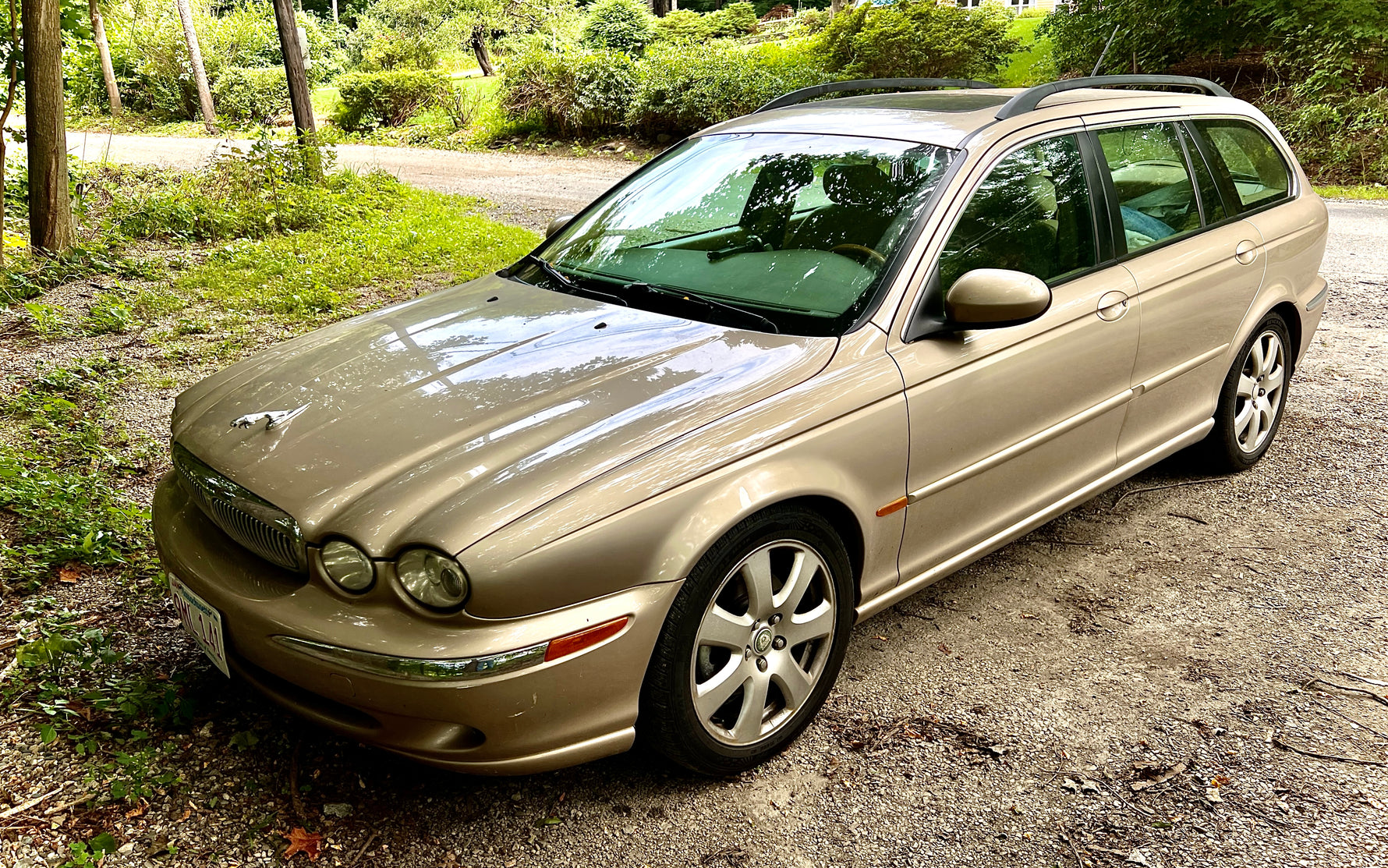
My car – a 2005 Jaguar X-Type SportWagon with about 160k on the clock – was running beautifully, both on the highway and while in traffic in town. However, as I got close to where I was going and was pulling into the parking garage, I noticed a film of oil starting to build on my passenger-side windshield, followed by smoke coming from under the right side of the hood, along with a strong smell of engine oil.
Alarmed, I parked, shut down the motor, and popped the hood. Yikes!... the engine oil cap was not in its proper place, and the right side of the engine (where the filler neck is) and compartment were covered in engine oil. When I pulled the dipstick, it was completely dry – not a drop of oil on it, even at its extreme bottom end!
I should mention here that I have been a devoted user of your BestLine Racing Engine Treatment (and gas treatment) for a long time, and always try to add a bottle at each oil change. But sometimes it turns out that I’m out of it when the oil change happens, so I run the car without it until I get a new shipment. In all the time I have had the Jag – several years now – I have always noticed how much better the engine seems – smoother, quieter, and more powerful – with the treatment in there than it is without it.
In this instance, I have to say that I truly believe that Bestline Engine Treatment saved the engine. I caught an Uber to the nearest auto parts store, bought 6 quarts of Mobile 1/European Car Formula, got back to the car and topped it up… started the engine holding my breath… and drove home.
It ran as though nothing had happened at all. During the entire time the oil was blowing out that filler neck, the oil warning light had never come on. The engine warning light had never come on. The engine had never over-heated. And on the return drive, the engine never knocked, and drove with all its usual performance – and is still running that way now.
What can I say? This was a completely unintended, real-world test of your Bestline Engine Treatment formula, and I have to say it passed the test with all flags flying.
Since this incident, I have realized that I must have removed the oil cap to top-up the oil, and somehow forgot to put it back where it belonged. (Miraculously, the cap was still sitting on top of the engine where I had left it, so that was a big help.) And that oil top-up occurred a few days BEFORE my trip to Boston – so who knows how long and far I had been driving before I even left for Boston? Truly amazing…
In conclusion, my Jag and I would really like to thank you for this amazing product. I’m reasonably certain that the two of us wouldn’t have made it home if the treatment hadn’t already been in there, and you can be darn sure that I won’t be starting any of my engines without it in the future.
Gratefully yours,
Rawn Fulton
Bernardston, MA

Car Care Talk
Does BestLine Racing Really Care About The Customer?
by Perry Anderson
on Jul 09 2023
Dear customer;
I want to share a message that I believe is important for all of us to hear.
I know this is a very unusual message that you'd expect to get from a business owner.
I've always been a type "A" personality, and I've always prided myself on getting things done. I was afraid that I wouldn't accomplish my goals, and I was afraid that I wouldn't be good enough.
I'm now trying to slow down and enjoy the journey more. I'm spending more time with my family and friends, and I'm taking more time for myself to relax and reflect.
I know that this isn't always easy. It's hard to break the habit of hurrying, especially when we're surrounded by a culture that values productivity and efficiency above all else. But I believe that it's worth it. I have close friends that had or have serious health issues and some have passed on. I regret not taking the time for them.
When we slow down, we can appreciate the little things in life. We can savor the moments with our loved ones. We can experience the beauty of nature. And we can connect with our inner selves.
I want to thank you for being my customers. You've helped me to build a successful business, and I'm grateful for your support. But more importantly, you've helped me to become a better person.
I know that I don't always have the time to give you the attention that you deserve. But I want you to know that I appreciate you, even when it doesn't seem like it.
Thank you for being a part of my journey.
May God Bless you and yours,
Perry Anderson, CEO
Car Care Talk
Ultra-Low Friction Diamond Nano-Lubricant Explained
by Perry Anderson
on Aug 20 2020
Ultra-Low Friction Diamond Nano-Lubricant Explained
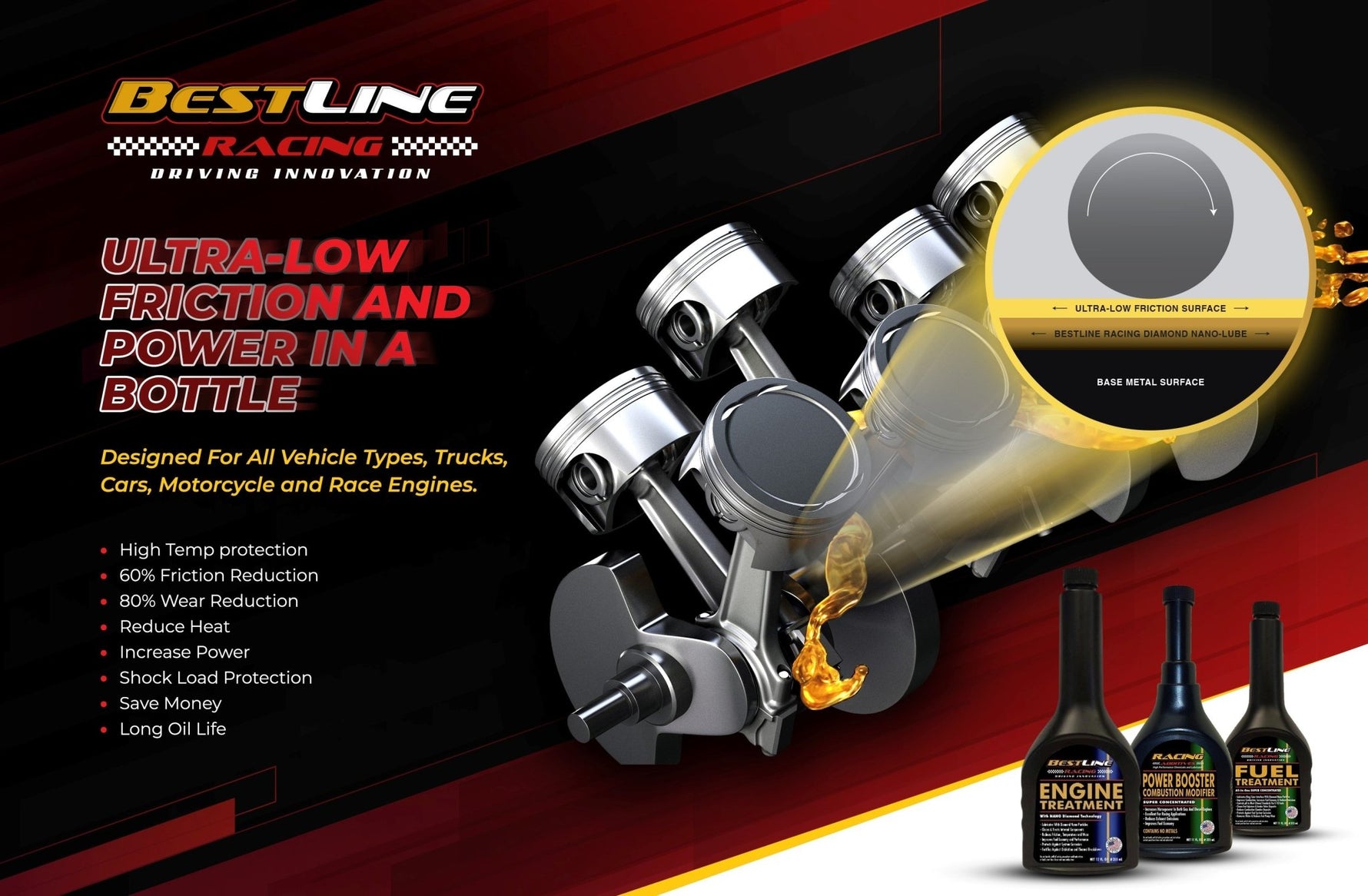
Energy is lost due to friction that arises between the hundreds of parts that comprise an engine. This ultra-low friction technology uses nanotechnology in order to reduce friction.Reducing friction by approximately 60% compared to conventional engines, by forming an ultra-low friction film on top of the Diamond Nano-coating.
The Diamond Nano-Lube along with our other proprietary pure synthetic base oils and additives provide longer-lasting wear and heat protection for your motor.The nano-size particles fill the tiny voids and valleys called asperities, this creates a mirror-smooth surface that attracts the lubricating oil and holds it in place.Our Diamond Nano-Lube works to prevent wear by reducing the coefficient of friction. This is turn reduces heat, releasing power and reducing wear.A few major automotive manufactures are finally starting to realize these same results on their high-performance engines that require Zero Viscosity Oils to meet the new EPA demands.Our Diamond Nano-Lube additives help to prevent the damage caused by the low viscosity oils and the thermal breakdown caused by the excessive heat generated.
Car Care Talk
Engine Treatment Works on Just about Everything
by Perry Anderson
on Aug 20 2020
2
Engine Treatment Works on Just about Everything
I pay attention to my equipment, my cars, motorcycles, bikes, generators, and anything that I want to last.
I use our new Engine Treatment on everything, I know it's designed for engines but it works great on anything you want to last. My chemist and I found ways to reduce the effects of moisture in the crankcase that causes the oil to go acidic and that's what causes the additives in all oils to oxidize and reduce their effectiveness. Our new Diamond Nano-Lube chemistry embeds itself into the metal and keeps the moisture out while reducing friction and heat.
Extend Performance For Every Engine You Own
This also benefits bike chains and anything else you want to lubricate and protect so you can save your money instead of wasting it on fuel and repairs.
On another note, I know a lot of you have been waiting for us to produce more power train products, transmission additives, and other items. I have decided to hold off until our supply chain levels off. We are selling record amounts of Engine and Fuel Treatments thanks to many trucking companies that have discovered how beneficial our products are for them.
We are producing and selling a lot of our Engine Treatment in 5-gallon and 1-gallon containers since they are much easier to fill and cost less to package the pricing is really terrific that we are passing along to you.
Lingering issues related to COVID-19 have slowed things down in many areas so I decided to make sure we can keep an adequate supply of Engine and Fuel Treatments and not produce anything else until we know the supply chain is stable.
Please feel free to reach out to me anytime I can be of service.
Oh! one more thing. We are on Walmart.com, eBay, and Wish now.
You will notice on our website and the other sales channels that we are offering Free Shipping on any amount of Engine Treatment. Yes, even one bottle with Free Shipping!

Car Care Talk
by Perry Anderson
on Jun 14 2018
9
Life Extension for your car. See posts and other ideas with proof that it works.
